Updated October 2026:
Hey Gorgeous... a quick question for you. Do you know the difference between your product's or service's features and its benefits?
If you don't, you're in good company. It's one of the most common marketing mix-ups I see, and fixing it can change how your marketing lands (and how often people say yes).
So let's get into it.
What's the Difference Between Features and Benefits?
Features are the facts about what your product or service is, includes or does. Benefits are what those features do for your customer: the problem solved, the time or money saved, the feeling gained.
A simple way to remember it: features are the what, benefits are the why it matters.

What Exactly Are Product Features?
Think of features as the ingredients in your favourite recipe. They're the specific functions, materials or properties of what you sell: the durable denim in a children's clothing line, or the UPF 50+ sun-protective fabric.
A feature is something you can find listed in a description, plan or design. It's what the product is made of, includes or does.
But features only lay the groundwork. Telling someone about the high-quality flour in your cake without mentioning the taste that has everyone asking for seconds? That's a feature with no story.
And What About Product Benefits?
This is where the magic happens. Benefits answer the question every customer is quietly asking: "What's in it for me?"
Take that UPF 50+ fabric. It's great, but why does it matter? The benefit is that it protects a child's skin from the sun, which reduces health risks and gives parents one less thing to worry about.
Or take durable denim. The feature is the denim itself. The benefit is that the clothes last longer, so parents replace them less often and save money and time.
Benefits are the practical and emotional payoff that features deliver. Customers might start out looking at the features, but what they're really buying is the benefit.
What Do Customers Care About More?
Customers are tuned in to their own radio station: WIIFM (What's In It For Me?). They'll glance at features for comparison, but it's the benefits that make their heart beat faster. Benefits show how your product will make life easier, happier or better.
So yes, list your features. But put the benefits front and centre. When people can see the value and the problem you solve, the decision gets much easier for them.
Features vs Benefits Examples for Coaches, Consultants and Digital Products
Clothing is easy to picture, but most of my readers sell services, programs or digital products, where this gets a little trickier. Here's how the same idea plays out across different offers, with the outcome added so you can see where it all leads:
What you sell | Feature | Benefit | Outcome |
|---|---|---|---|
Children's clothing | Durable denim | Clothes last through play, washing and hand-me-downs | Parents spend less and replace less often |
1:1 coaching package | Fortnightly 60-minute calls | Regular accountability and a chance to adjust course | You keep moving instead of stalling, and finish what you start |
Consulting | A 90-minute strategy session with a recorded replay and action plan | You leave knowing exactly what to do next, and can revisit it any time | Less second-guessing, faster progress, more confident decisions |
Digital product (templates) | 30 customisable email templates | No more staring at a blank screen | You write and send emails in minutes and show up consistently |
Online course | Self-paced lessons with lifetime access | You learn when it suits you and can come back to it | It fits around work and family, so you actually finish |
Notice how each row moves from something you have to something your customer feels or gets. That's the shift.
How to Turn Features Into Benefits
If you're not sure what the benefit of a feature is, try the "so what?" test. It's simple.
- List your features. Write down everything your product or service includes, does or is made of.
- Ask "which means...?" For each feature, finish the sentence: "This feature means that..."
- Keep asking until you reach something your customer feels. Stop when you hit relief, confidence, time, money, pride or peace of mind. That's the benefit worth leading with.
- Say it in your customer's words. Use the language they use when they describe their problem, not your industry's.
Here's how that looks in practice:
- Feature: Fortnightly coaching calls
- ...which means you check in regularly
- ...which means you can't drift for weeks without noticing
- ...which means you keep your momentum
- ...which means you actually launch the thing instead of just planning it. That's the benefit.
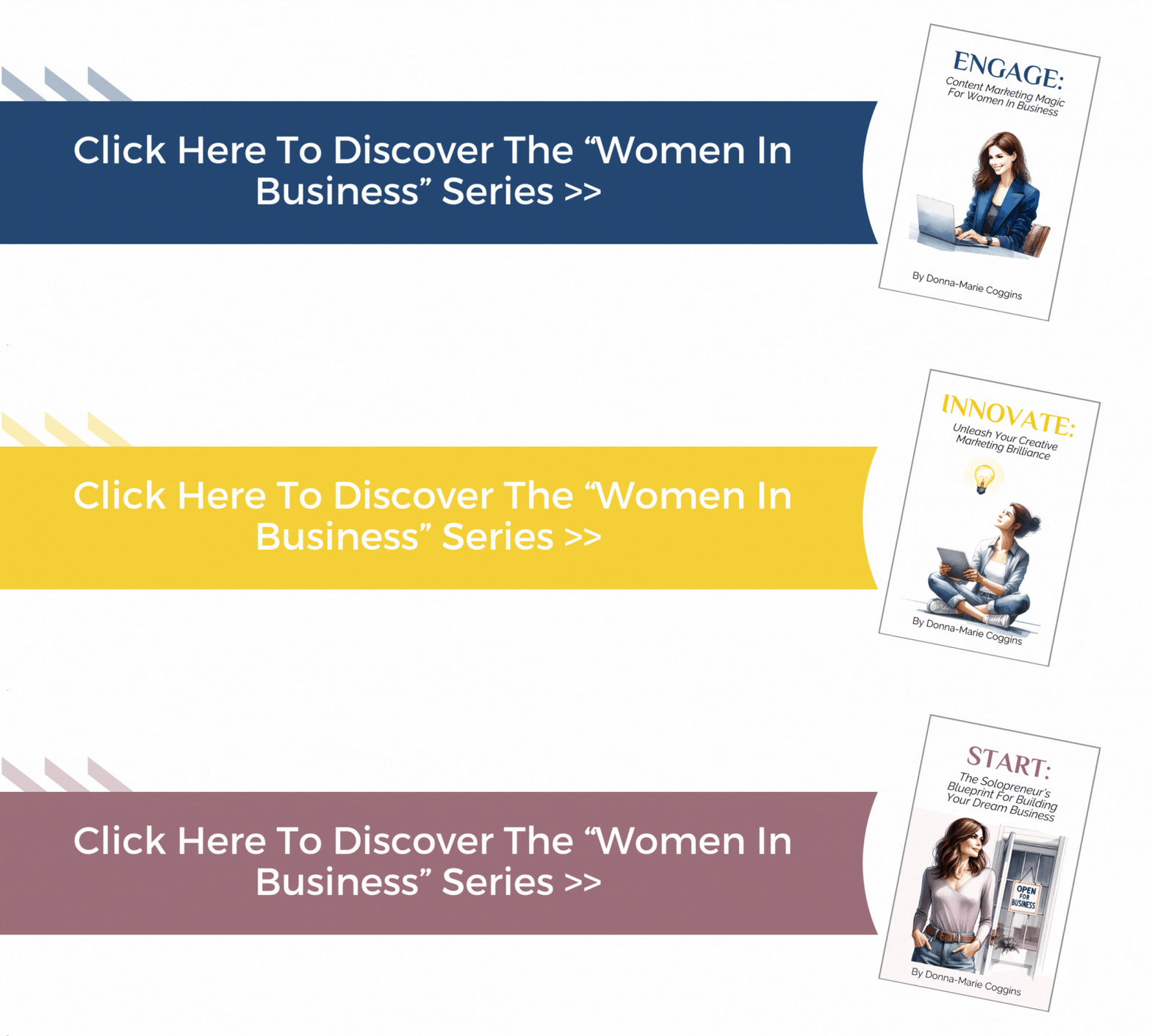
This is the kind of messaging thinking I go deeper into in ENGAGE: Content Marketing Magic for Women In Business, if you'd like a hand turning it into content that connects.
Common Mistakes When Writing Features and Benefits
Once you start looking for them, you'll spot these everywhere (including in your own copy, because we all do it):
- Listing only features. A long list of specs asks your customer to do the work of figuring out why it matters. Do that work for them.
- Using vague benefits. "Saves time" and "gets results" are too fuzzy to feel real. Be specific: saves you two hours every Sunday or gets your first email out this week.
- Leading with jargon. If your customer wouldn't say it out loud, don't put it in your headline. Translate it.
- Dropping features altogether. Benefits grab attention, but features give credibility and help people compare. You need both.
- Piling on too many benefits. Pick the one or two that matter most to your ideal customer and lead with those.
Features vs Benefits FAQ
What is the difference between features and benefits?
Features are the facts about what your product or service is or includes. Benefits are what those features do for your customer: the problem they solve or the improvement they bring.
Can a feature also be a benefit?
Sometimes, depending on who you're talking to. "Free shipping" is a feature of your offer, and to many customers it's also a benefit they care about directly. The test is whether your customer feels the value straight away, or whether they need you to explain why it matters. If they need the explanation, it's a feature and you still have a benefit to spell out.
Should sales pages lead with features or benefits?
Lead with benefits, then back them up with features. Benefits earn attention and show people what's in it for them. Features follow to give the proof and detail that helps them say yes with confidence.
How do I find out which benefits my customers care about most?
Listen to how they talk. Reviews, testimonials, emails, sales calls and quiz answers are full of the exact words your customers use to describe what they want. Those words make the strongest benefit statements.
Putting It Into Practice
Understanding the difference between features and benefits can elevate your marketing and make your offers far easier for the right people to say yes to. Here's to marketing that feels less like a pitch and more like a heart-to-heart conversation. ❤️